
Flagship Report

Healthy living on a healthy planet
Flagship Report
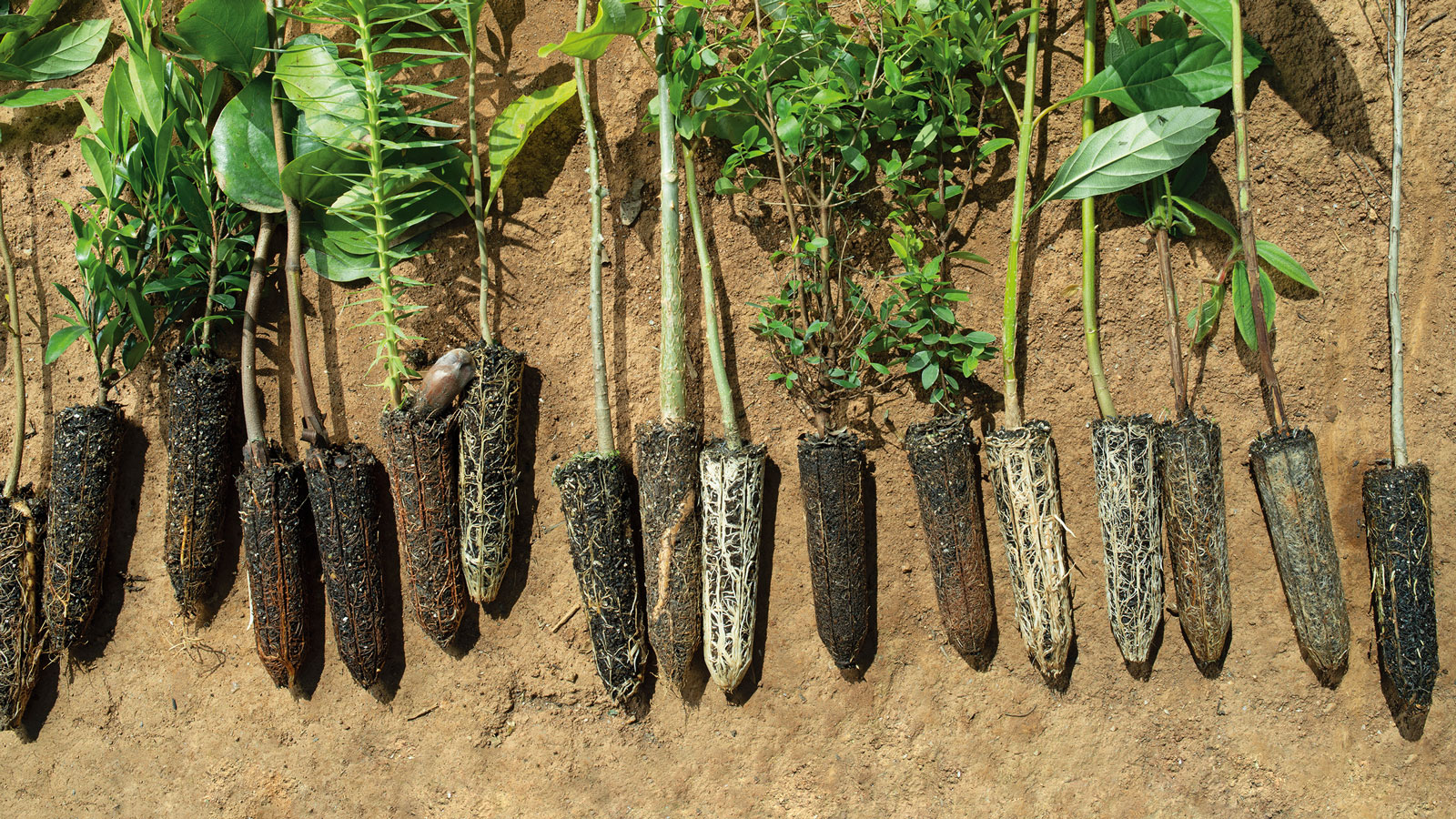
Rethinking Land in the Anthropocene: from Separation to Integration
Flagship Report

Towards our Common Digital Future
Conference
Launch event: Presentation of the report Rethinking Land in the Anthropocene
Video
Human Power – The concept of planetary guard rails
News
WBGU in the media
Who We Are
Science for a sustainable future
Global sustainability is a key issue for the future. It is therefore also a scientific issue. The societal search processes aimed at reaching this goal require concepts that are independent of vested interests, methodologically systematic, and provide long-term projections. This is why the WBGU compiles scientific analyses, develops concepts, and proposes solutions for global sustainability. This is why our thinking is systemic, our work independent and interdisciplinary. This is why through dialogue with policy-makers, society and international organizations, we seek to uncover ways of achieving the Great Transformation.
Voices to Our Reports
The reports of the German Advisory Council on Global Change (WBGU) are an indispensable reference and resource on global environmental change policies. Every scientist, decision-maker and institution concerned with the pressing issue of environment and development should have them.
Prof Dr Klaus Töpfer
Executive Director of the United Nations Environment Programme (UNEP) from 1998-2006
The new WBGU-Study „A Social Contract for Sustainability” appears at a time in which people around the world are increasingly committed to creating a future that is both sustainable and climate-safe. The study shows that such a future will only be possible if governments, business and civil society collectively set the right course, making the most of regional, national and global cooperation. An important call to cross-cutting integrated action, the book deserves wide recognition.
Christiana Figueres
Executive Secretary of the United Nations Framework Convention on Climate Change (UNFCCC) (2010–2016)
The German Advisory Council on Global Change’s recent report, ‘Rethinking Land in the Anthropocene: from Separation to Integration’, makes it abundantly clear that we need a fundamental change in how we manage the land to limit climate change, reverse biodiversity loss and create sustainable food systems. Healthy land is finite, but changes in consumer and corporate behaviors, combined with better land use planning and management, can help meet the demand for essential goods and services without compromising land resources. This report presents a clear path toward climate change mitigation, ecosystem protection and food systems sustainability through better land management.
Ibrahim Thiaw, Executive Secretary der United Nations Convention to Combat Desertification (UNCCD)
Humanity on the move: Unlocking the transformative power of cities, is a notable breath of fresh air at a time when shallow platitudes seem the order of the day. It is bold, meticulously crafted through argument (as opposed to assertion) and evidence, and rooted in a highly original conceptual framework that is both global in scope and differentiated. The report asserts the centrality of cultural and institutional change and does not shy away from being specific and programmatic at a moment when it seems that political discourses are increasingly disconnected from our highly fractious, unsustainable, violent and intolerant times. I recommend it as compulsory reading in the strongest possible terms.
Professor Edgar Pieterse -
Director – African Centre for Cities (University of Cape Town) & Chairperson of the Cities Alliance Think Tank.
"Biofuels have been represented by some as a silver bullet to the climate change threat, and by others as a fatal mistake set to destroy forests and increase hunger; they are neither. Sane and sensibly developed they offer a chance to reduce emissions, generate employment and diversify rural livelihoods. But widespread commercialisation without proper sustainability standards could prove a disaster, causing more environmental and human harm than good. The new WBGU report shows that a sustainable use of bioenergy is possible and outlines how opportunities can be exploited while at the same time minimizing risks. The report thus offers policy-makers valuable guidance for a sustainable bioenergy policy."
Achim Steiner, Executive Director of the United Nations Environment Programme (UNEP) (2006-14)
"With Climate Change as a Security Risk, WBGU has compiled a flagship report on an issue that quite rightly is rising rapidly up the international political agenda. The authors pull no punches on the likelihood of increasing tensions and conflicts in a climatically constrained world and spotlight places where possible conflicts may flare up in the 21st century unless climate change is checked. The report makes it clear that climate policy is preventative security policy."
Achim Steiner, Executive Director of the United Nations Environment Programme (UNEP) (2006-14)